
Let’s rip off their mask right now.
Affiliation is a major channel for SaaS companies, but how can you distinguish between good and bad affiliates?
By understanding these tactics upfront, you can safeguard your reputation, keep your marketing budget under control, and ensure that every affiliate partnership genuinely drives growth:
1. Bad Application Form
Quickly filter out low-quality affiliates by examining their credibility, honesty, and willingness to engage:
- Doesn’t give personal social media
- Doesn’t want to meet up on a call
- Makes grand promises without proof (‘I have 100 clients ready to buy’)
- Is interested exclusively in the % of commission
- There is no link between the activity on LinkedIn and the application
- Doesn’t fill in the open ended questions on the form
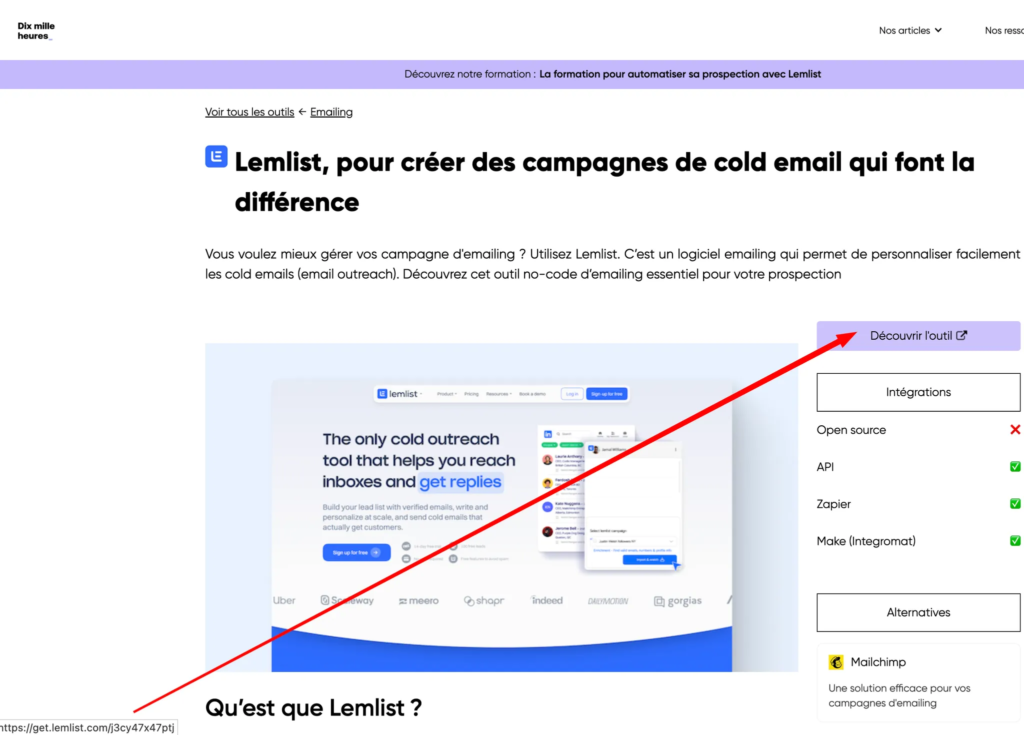
2. Article featuring the brand
Encourage genuine, mid-funnel content that educates prospects and aligns with your brand’s messaging:
Example: https://www.dixmilleheures.fr/outils/lemlist
3. Parasite SEO
Be aware of affiliates who leverage external platforms to manipulate search results, potentially harming your reputation.
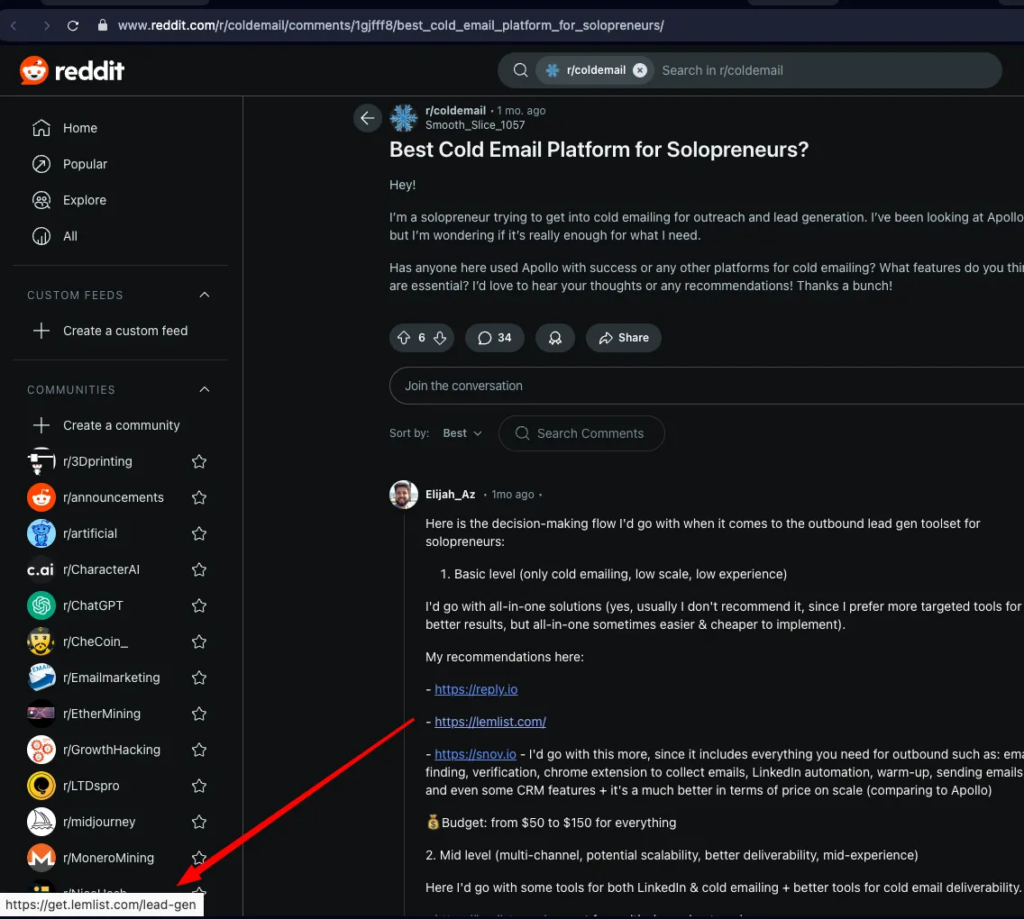
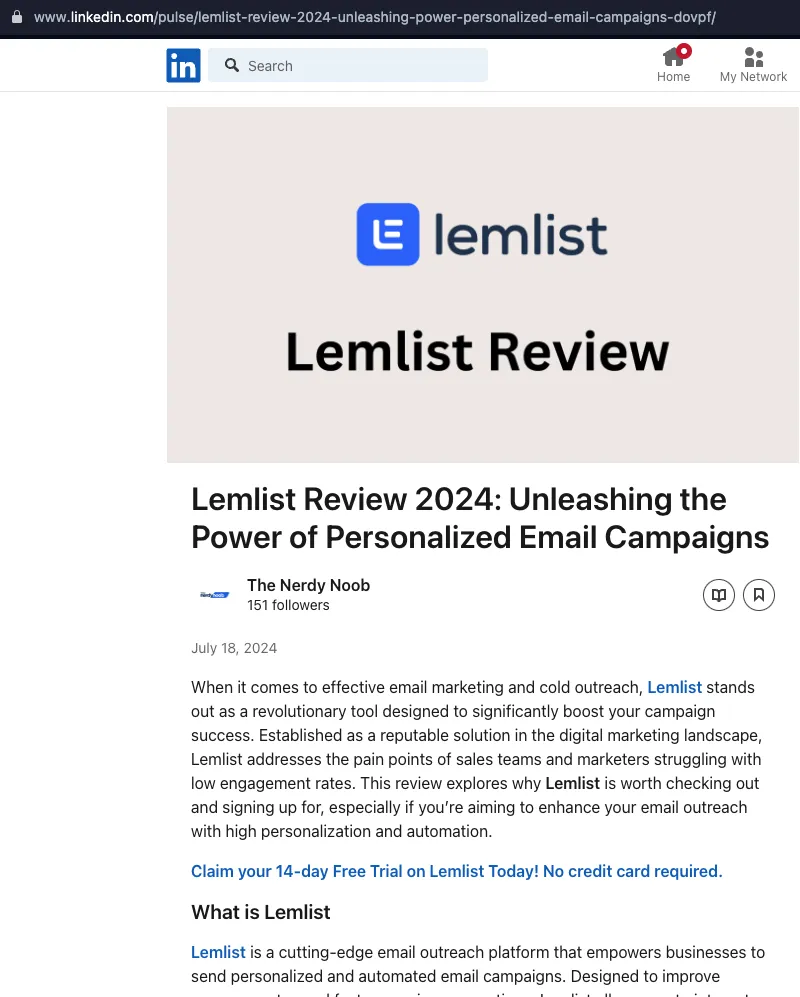
Parasite SEO refers to a technique where affiliates piggyback on authoritative websites like LinkedIn, Reddit, and major media outlets to generate traffic.
Example:
LinkedIn (pulse):
4. PPC Fraud: Bid on your name
Actively monitor ad platforms to prevent unauthorized bidding on your brand and protect your marketing spend.
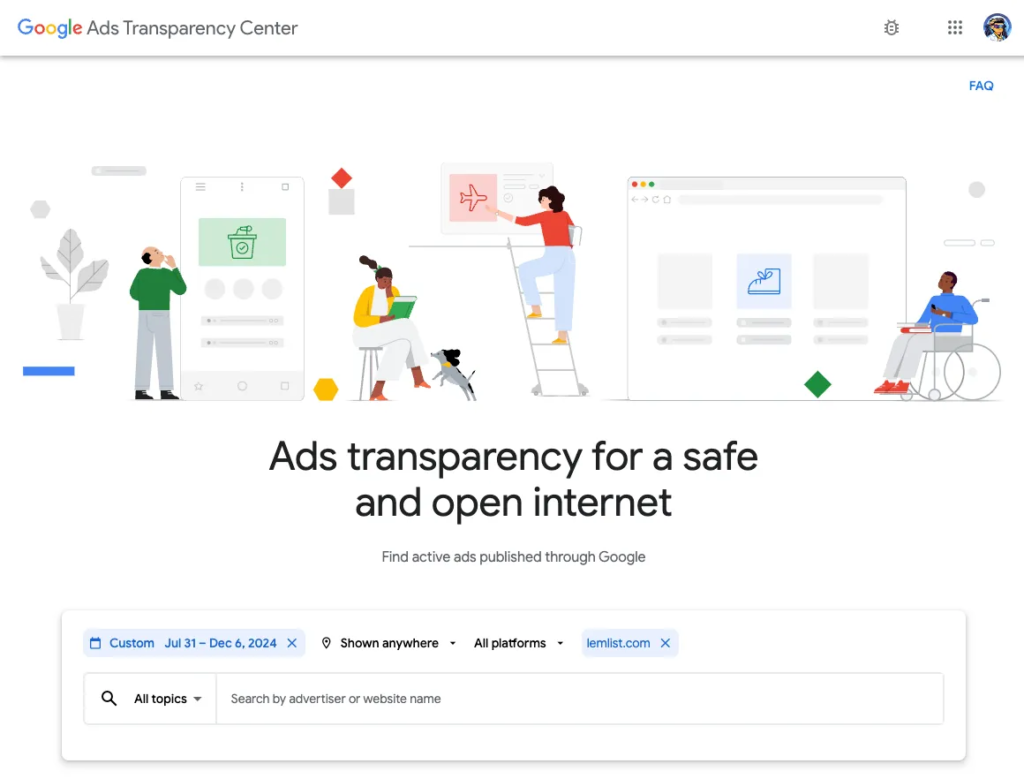
Manually: You have to go over all ads platform with high purchase intent such as
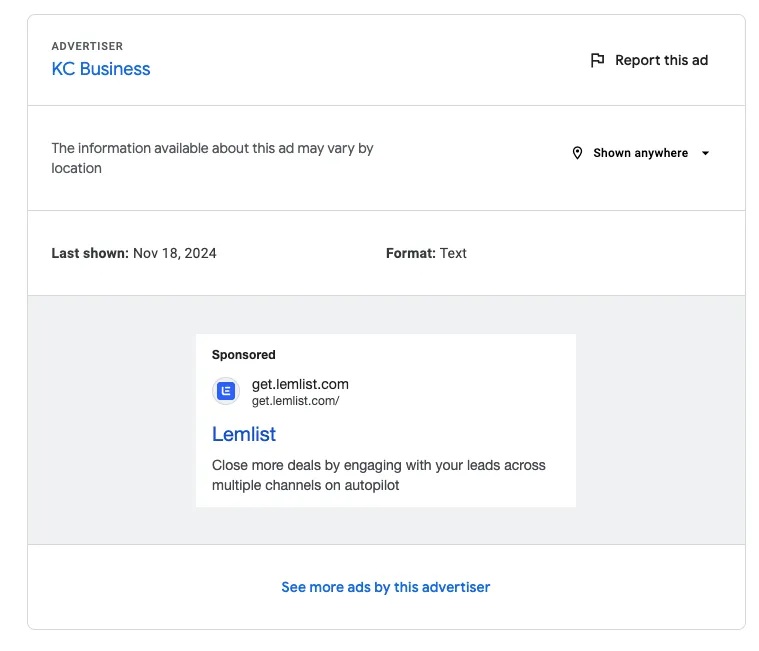
- Google Ads Transparency Center (https://adstransparency.google.com)
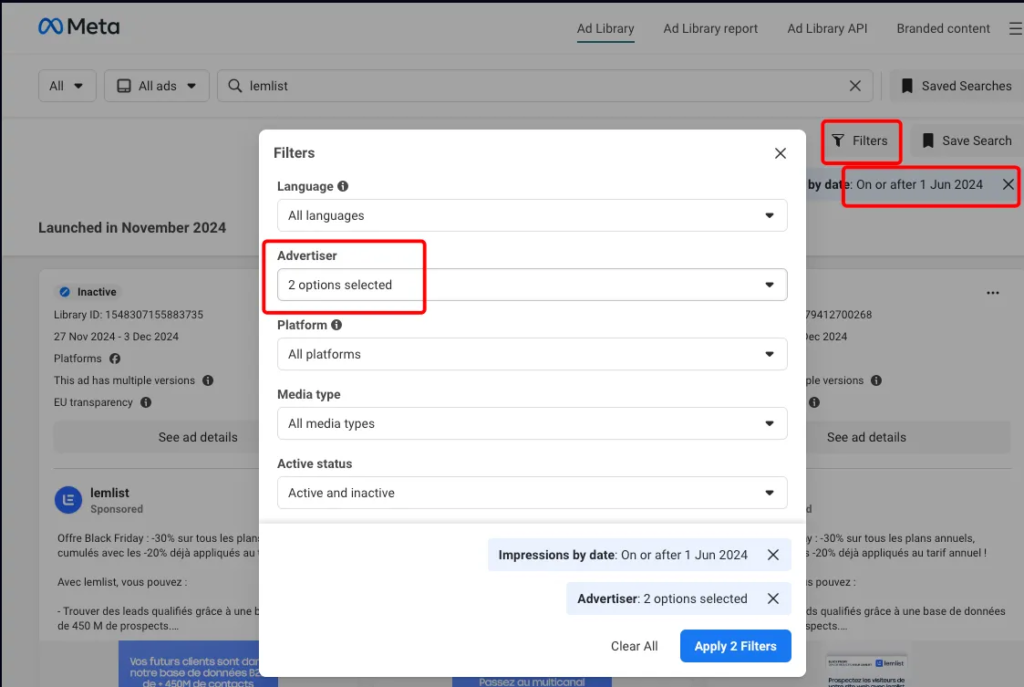
b. Meta Ads Library (https://www.facebook.com/ads/library/)
Less effective for direct conversion, you could also use Meta Ads Library
→ Filters and remove yourself from the list:
What found:
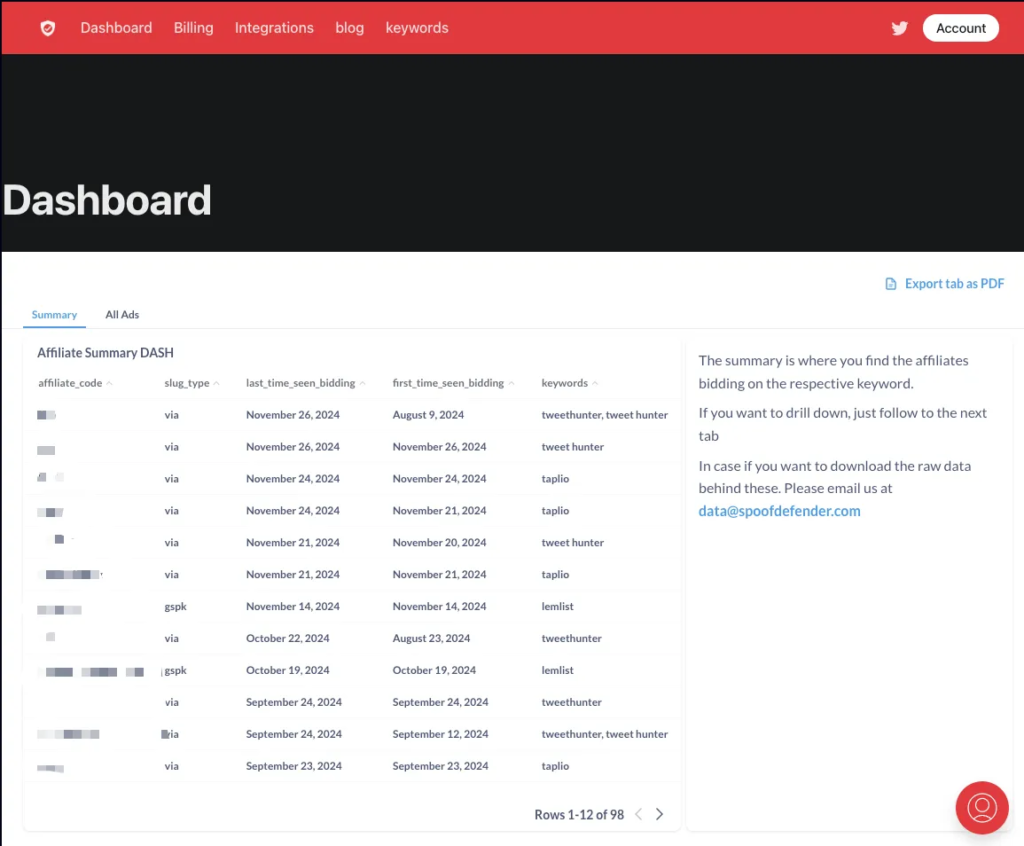
Automatically:
Spoof Defender (https://www.spoofdefender.com)
This tool helps you monitor and identify affiliates bidding against your brand name
5. Cookie Stuffing
Regularly audit for hidden tracking codes to ensure conversions are earned legitimately, not stolen through covert methods.
Affiliate embed invisible tracking code in cookies (such as guest post).
When visitors browse the website, the tracking follows them. If these visitors later visit the affiliate website, the hidden affiliate link activates.
You can even have your UTMs embed indexed by Google
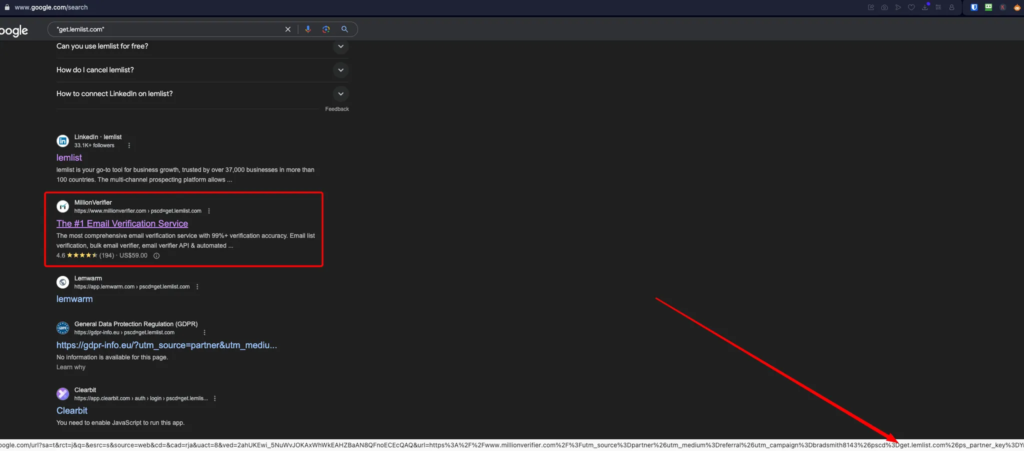
- Use Google as your search tool with the command “site:YOURSITE” plus relevant keywords between double quotes
- Regularly check referral URLs from converted visitors
→ Manually check these urls.
There are several other techniques such as popups, push notifications, and browser extensions.
Wrapping up
Cut the fake affiliates at the source.
Spot suspicious applications, monitor your brand name in ads and content, and track hidden cookie stuffing.
Lock down your affiliate program so it drives growth, not drains trust.
What insights or experiences would you add to this discussion?